

About this report
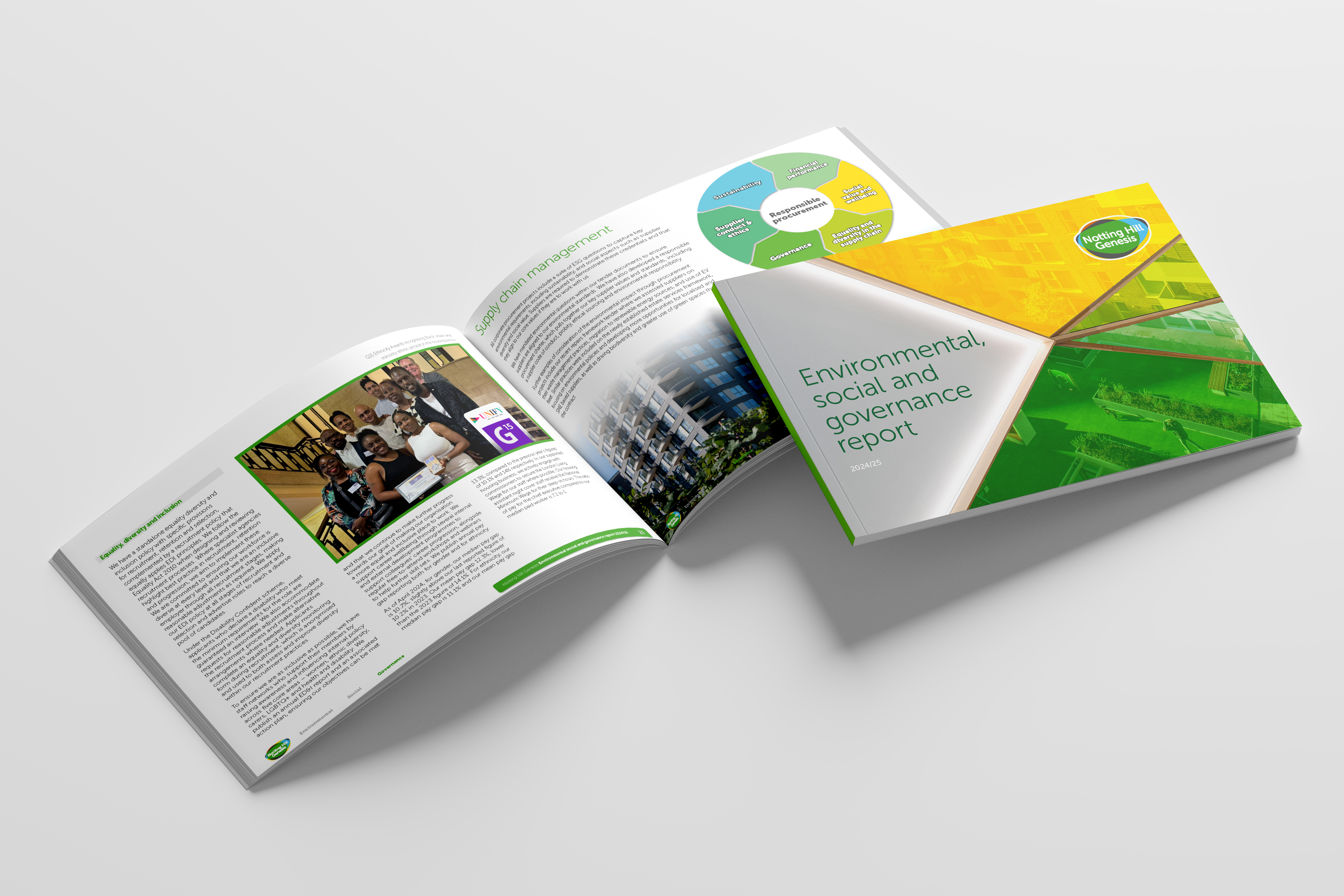
Our environmental, social and governance (ESG) report for 2024/25 sets out how we continue to provide genuine social value and explains how we are contributing to tackling climate change through the introduction of more sustainable practices.
It demonstrates to our residents and other stakeholders the positive impact that we are making against those important themes. Specifically, the report shows potential investors that by supporting our organisation, their money can have a positive social impact. We know that criteria associated with ESG are increasingly considered by investors as they look to invest ethically in businesses and organisations that provide social value, and hope this report assists them in that.
Our ESG document provides performance data aligned with the Sustainability Reporting Standard for Social Housing (SRSSH), published in November 2020 and updated in October 2023. The updated standard covers 12 core themes and has 46 qualitative and quantitative criteria, which are identified as the core requirements to demonstrate strong ESG performance.
Our social purpose is at the heart of everything we do. We strive to provide safe, warm, comfortable homes for those who could not otherwise afford to rent on the open market – but our commitments go beyond that. We want to provide top quality services. We want to be there to support those who need extra help whether financial or due to unemployment. We want to do our bit for a more sustainable world. And we want to do all of this while meeting the demands and expectations of our residents, our partners and our regulators.
The 2024/25 financial year, brought significant changes and major challenges but we come out of it with a renewed determination and a clear vision of how we will deliver for the 130,000 people living in our homes. In November the Regulator of Social Housing downgraded the us to a non-compliant G3 rating for governance. We responded with the creation of a new chief governance officer role, filled by Tabitha Kassem in April 2025, and have made fundamental changes to our governance structures.
We won’t be able to make the changes we need, however, if we don’t listen to the people living in our homes and using our services. We have embedded a new resident involvement approach which gives a wider range of people the chance to have their say and influence the work we do.
Despite governance challenges, we achieved notable successes supporting residents and improving homes. Our in-house welfare benefits team recovered over £5 million for vulnerable tenants, while sustainability efforts saw 531 homes upgraded to EPC band C through improvements including loft insulation, A-rated boilers, and new windows. We surpassed targets for stock condition surveys, better positioning us to plan future improvements. We know we have a long way to go on all elements of this report, but I am confident the work done over the past 12 months puts us in good stead for the future.
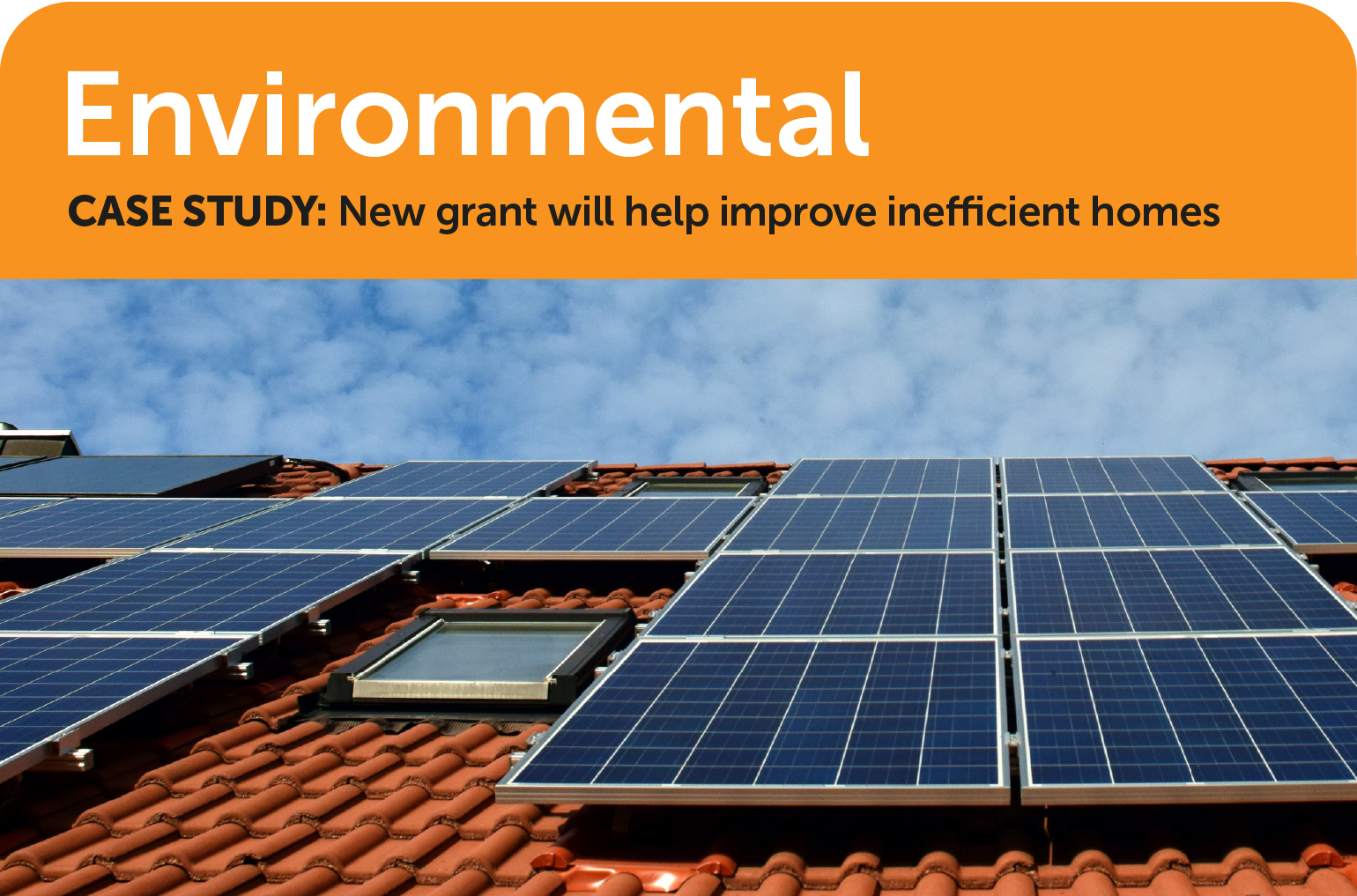
Under wave three of the social housing fund for warm homes, we will receive direct funding of almost £5.3m, while additionally being one of 27 housing providers in a strategic partnership led by Camden Council, which will share almost £78m. The funding will support our warmer homes programme, which focuses on our least energy-efficient homes, those with an energy performance certificate of D or lower.
Since 2023 we have assessed more than 1,000 homes and drawn up 600 home energy plans. Work is already underway on the first phase of these homes, which will see us install high performing windows, loft insulation and solar panels. Residents who have benefited from improvements already have given us great feedback, saying their homes were noticeably warmer and their bills had come down. We look forward to even more enjoying the same outcomes.
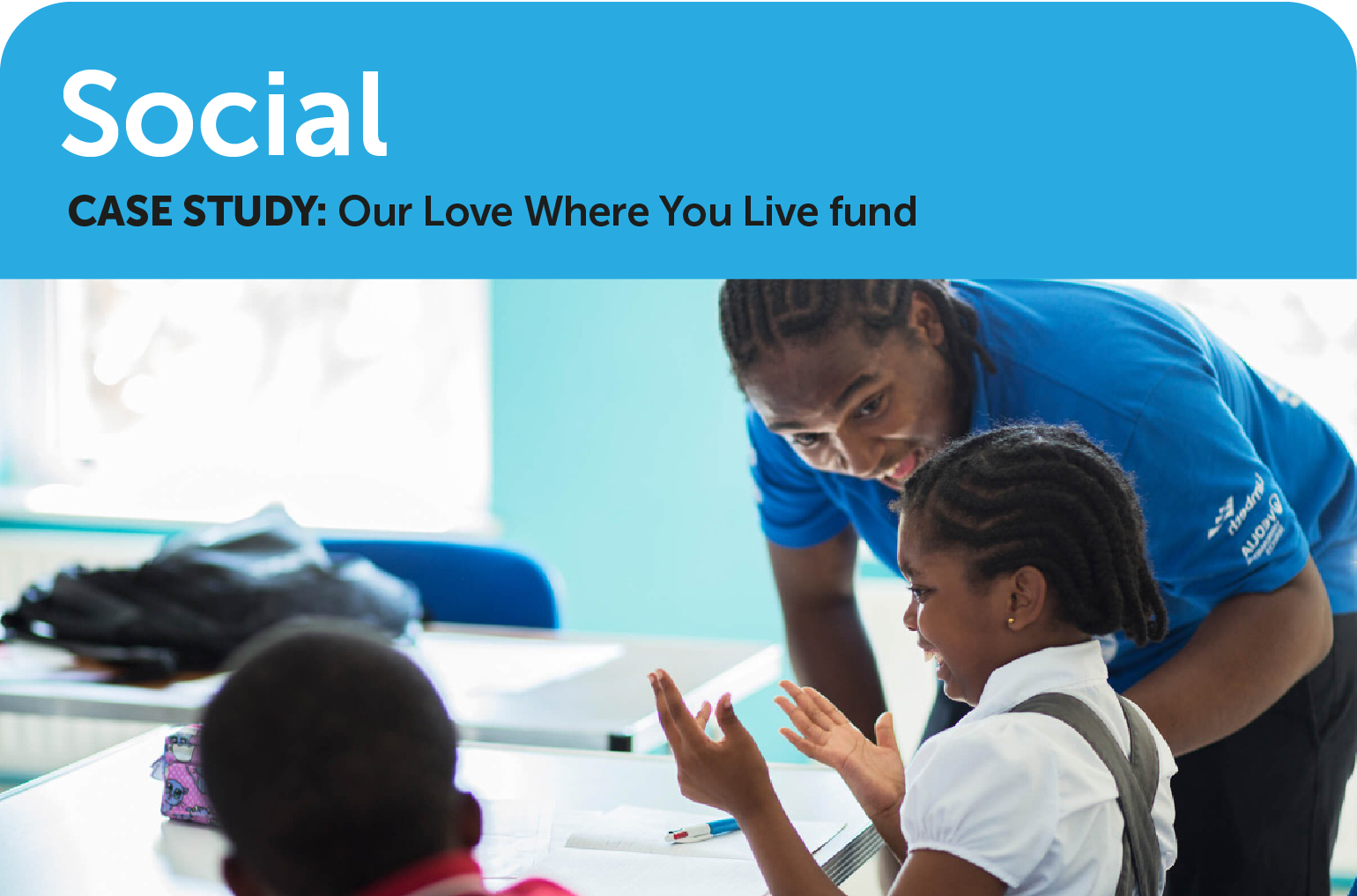
The fund was relaunched in 2024/25 with an increased budget and an expanded remit to support even more community-led projects. One of the projects is a continued partnership with Tutors United, an award-winning charity delivering community-based tutoring programmes for children from low-income, migrant and refugee backgrounds. Through weekly maths and English tuition hubs in Tower Hamlets, we supported 27 children in years 4, 5 and 6 who were currently underachieving at school.
Pupils have not only made amazing progress in maths and English, but also developed their confidence, independence and resilience in learning, with many year 6 pupils leaving the programme ready to transition to secondary school at or above national averages. The parents of two students, Prince and Rifkind, were delighted with the progress they have seen: “I would like to say a big thank you to NHG simply because there has been improvement in my sons’ studies.”
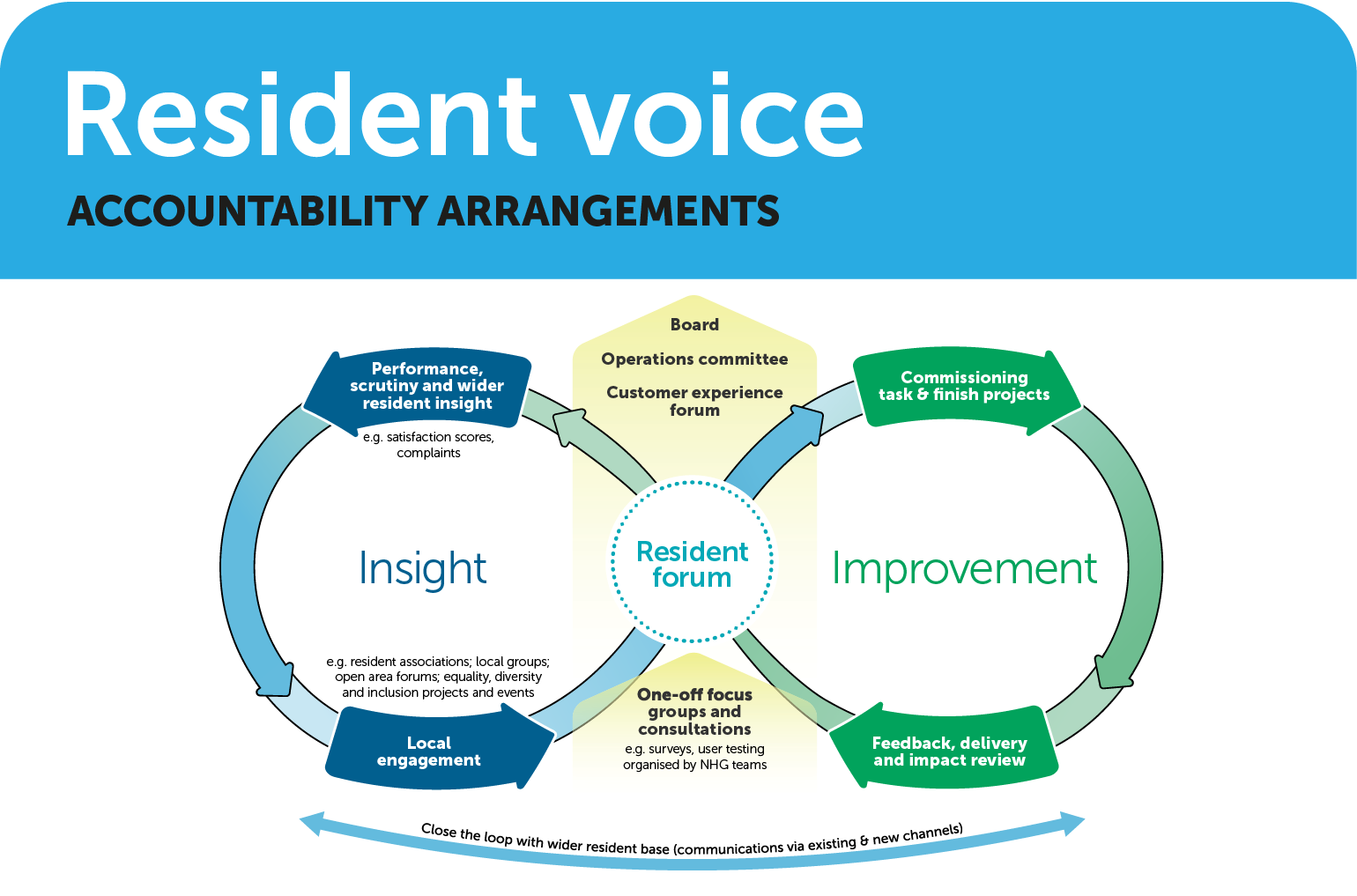
Ensuring that residents can hold us to account for how we deliver services is a key part of our resident involvement model. Developed in collaboration with residents, the new model was shaped by feedback from more than 1,000 residents who told us how they wanted to influence decision-making.
At the centre of the model is our resident forum, which acts as the main group overseeing how residents are involved in shaping services and holding us to account. The forum is chaired by one of our resident board members, ensuring a direct link between the forum and our group board. It receives updates from all involvement activities across the organisation, monitors progress on key service improvements and can escalate issues to the operations committee if needed.
Previous ESG reports
Our ESG reporting sets out how we provide genuine social value and explains how we are contribute to tackling climate change through the introduction of more sustainable practices.

Environmental, social and governance report 2024/25

Environmental, social and governance report 2023/24

Environmental, social and governance report 2022/23

Environmental, social and governance report 2021/22


